
Whoa! I know that feeling. You hop between dapps, glance at three dashboards, and still can’t say what would happen if you hit “confirm” on a swap. Really? Yes. It’s maddening. My instinct said a single tool should show me slippage, simulate gas, and let me sanity-check approvals before anything touches my funds. Initially I thought brute-force alerts would solve it, but then I realized that most alerts are noise — they don’t simulate the exact transaction path. So you end up guessing. This piece walks through why simulation + portfolio tracking matters in DeFi, what modern wallets do well (and poorly), and how an advanced approach changes outcomes for active users.
Short version: simulation is the new safety net. Longer version: if you’re not simulating multi-hop swaps and contract interactions, you’re accepting avoidable risk. I’m biased, but that’s where the game is right now.
Where DeFi breaks the mental model
Okay, so check this out—DeFi isn’t like banking. Transactions are state changes. Brokers don’t batch your moves; smart contracts do. That alone complicates cause and effect. On one hand, you’re free to compose anything. On the other hand, one missed approval or an unseen MEV sandwich can erase gains. Hmm… that part bugs me. People treat blockchains like immutable ledgers you can trust blindly. But trust is conditional. Smart contracts are powerful, and they also make error surfaces big and ugly.
Imagine this: you approve a token at “infinite” for convenience. Then a new front-end for a legitimate protocol has a subtle bug and siphons funds. Or worse, a malicious contract gets an approval you didn’t intend. Those are not hypothetical. They happen. So the defensive approach is twofold. Track your portfolio broadly. Simulate every risky action. Those two together reduce surprise.
Portfolio tracking tells you the “what.” Simulation tells you the “what if.” Put them together and you get “what will happen when I push this button” — which is way better than blind hope.
Why simulation matters more than alerts
Alerts are blunt instruments. They fire when something is past the point of prevention. Simulations are preflight checks. They model slippage, gas, and contract interactions along the exact route your wallet will send. In practice that means fewer ghost transactions, fewer “why was I charged $120 in gas” moments, and fewer painful mistakes.
On a gut level, simulation feels like insurance. But it’s better than insurance. It is proactive risk reduction. Initially I thought gas optimization alone would make the difference, but that’s shortsighted. The real win is visualizing the entire on-chain ripple — token flows, price impacts, token approvals, and the final balances after the transaction settles. Actually, wait—let me rephrase that: gas matters, but it is a component, not the whole story.
For power users, multi-hop swaps are where complexity multiplies. A single “swap” can hit three pools on different chains via bridges. If you don’t simulate each leg, you can’t estimate slippage cumulatively. I’ve watched small trades cascade into massive losses because one hop had thin liquidity. Somethin’ about that makes me grit my teeth every time.
What to look for in an advanced Web3 wallet
Pick a wallet that treats transactions like executable plans, not just signed messages. Seriously? Yes. Here’s a checklist from real-world use:
- Pre-execution simulation: shows exact token deltas, estimated price impact, and potential reverts.
- Approval management: easy to revoke and granular approvals, not just an “allow all” toggle.
- Portfolio aggregation: supports cross-chain balances and historical P&L so you can see realized vs unrealized gains.
- Custom gas strategies: not just “fast/medium/slow,” but predictions based on mempool and fork risk.
- Privacy-conscious telemetry: local-first actions, minimal data leakage, though that’s an area where tradeoffs exist.
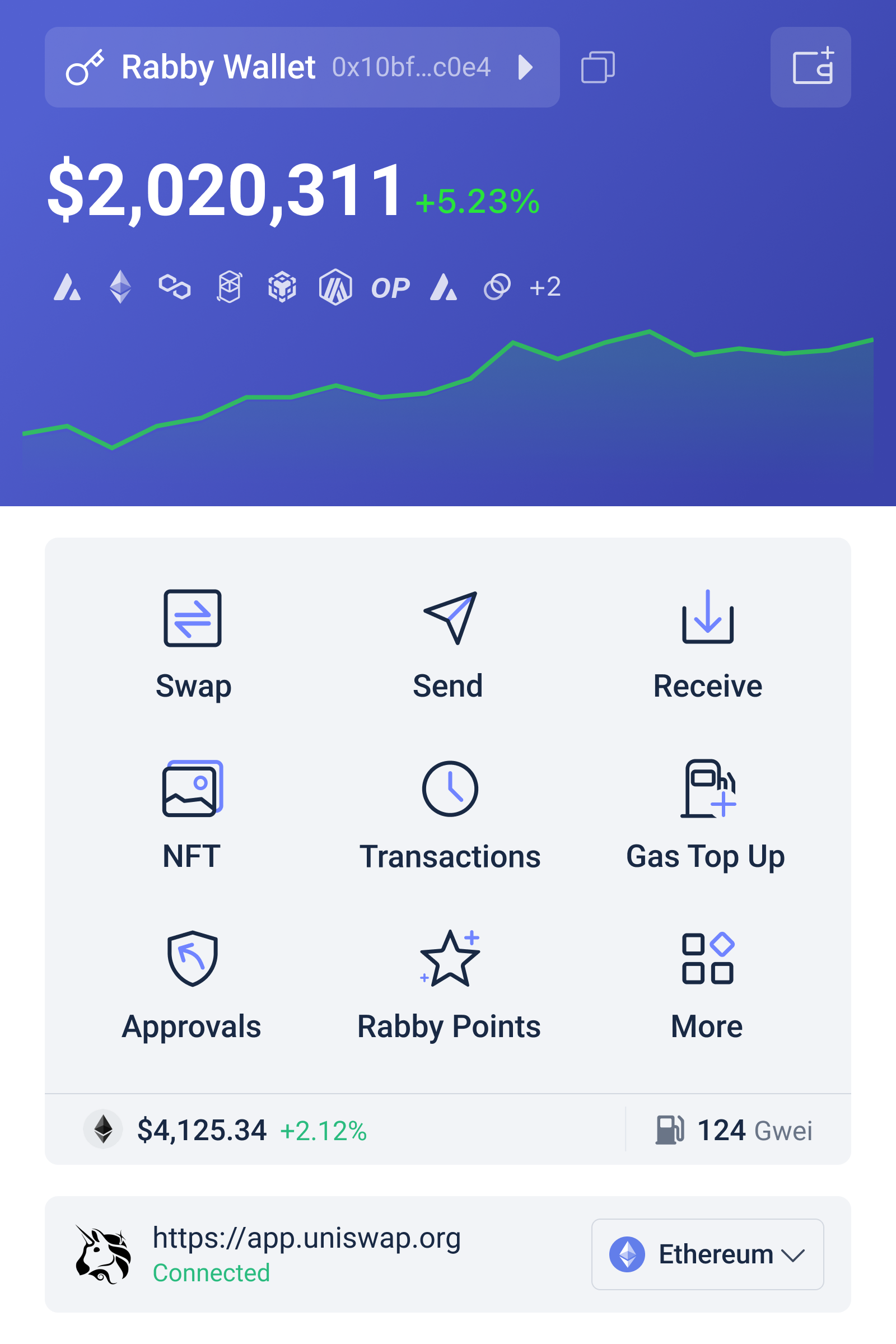
One wallet that hits many of those marks in everyday use is rabby wallet. It simulates transactions, surfaces approvals, and aggregates positions across dapps in a way that actually saves me time. I’m not shilling—I’m sharing what I use and why it matters.
Real trade story — a tiny mistake, big lesson
So here’s a short story. I was experimenting with a new AMM. Quick swap. Familiar interface. I skimmed the slippage setting. Felt fine. Then my trade went through but with extreme slippage because one pool had been drained in the minutes before I clicked. I lost a bad chunk. Oof. That hurt. If I’d simulated the trade, I’d have seen the price impact spike and maybe paused. On the other hand, simulations aren’t oracle-proof; they depend on the RPC node and mempool state. On one hand they help a lot, though actually they can’t predict every front-run scenario. Still, they drop the error rate by a lot.
That episode taught me two things. First, always simulate time-sensitive moves. Second, think about UX: if simulation takes too long, users skip it. Wallets that make simulation fast and readable get adoption. I’m not 100% sure how fast is fast enough, but under five seconds feels right for most flows.
Portfolio tracking: the quiet superpower
Tracking isn’t sexy. It doesn’t get tweets. But it does prevent digging yourself into tax and sanity holes. Portfolio tools that pull wallet snapshots, label tokens, and compute base costs save future-you from misery. Think about accountable record-keeping; you can’t manage what you can’t measure. That truth applies as much in DeFi as it does in running a lemonade stand.
Another nuance: tracking should be actionable. If your tracker detects a risky exposure — e.g., >30% of holdings in a single LP or many open approvals to obscure contracts — it should push a clear next action. Revoke. Reduce. Hedge. Not “You have risk!” but “Here are steps to reduce it.” That part is still underbuilt across most wallets and aggregators.
Where wallets still fall short
Wallets are better, but problems persist. Fragmentation is huge. Many users spread assets across chains and custodians, which complicates a coherent view. Also, simulation accuracy varies. Some wallets simulate only at the RPC level and ignore off-chain relayer behavior. Others surface too much raw data without context, leaving users overwhelmed.
Privacy tradeoffs are another thorn. To aggregate positions, wallets often query third-party indexers. That creates metadata trails. Personally, I prefer local-first approaches that only send hashed queries when necessary. But I’m realistic — centralized indexers are convenient and sometimes necessary. It’s a privacy vs utility tradeoff and everyone’s risk tolerance is different.
Practical steps for DeFi users today
Actionable list. Do this tomorrow:
- Enable simulation-by-default for swaps and contract calls. Make it a habit.
- Audit your approvals monthly. Revoke anything you don’t use. Yes, even small tokens.
- Consolidate portfolio views across chains when possible. You don’t need separate mental models for each chain.
- Prefer wallets that show you post-transaction balances before you sign. If it doesn’t show the end state, don’t trust it blindly.
- Keep a small gas buffer in native tokens on each chain you use. Gas failures compound UX pain.
These are simple yet powerful. They won’t stop protocol bugs. But they stop the majority of user-level mistakes that cause real financial damage.
Designing for the future: what next-gen wallets should do
Longer answer: combine local simulations with probabilistic risk scoring, where the wallet explains “this swap has 18% chance of significant front-running under current mempool conditions.” That requires better instrumentation and more sophisticated mempool analysis. It also requires UX that doesn’t terrify users with statistics. There’s a balance to be struck.
One promising pattern is “safe-mode-by-default”: default conservative slippage and explicit multi-sig or time-locked approvals for large interactions. Another is richer visual diffs — show a before/after balance sheet with callouts where expectations differ. These are doable. They’re not built everywhere yet.
On-chain composability will keep getting wilder. Bridges will improve, but they also add new failure modes. Wallets must become translators — not just signers. They should simulate, predict, and annotate. That’s the future I want to use every day.
FAQ
Can simulations prevent MEV attacks?
Short answer: no, not fully. Simulations can reveal vulnerable routes and high slippage risk, which helps you avoid obvious traps. They can’t fully predict adversarial ordering in the mempool or guaranteed front-running. Use simulations as a risk-reduction tool, not a silver bullet.
How often should I revoke approvals?
Monthly is a reasonable cadence for active users. If you interact with many new dapps, consider revoking weekly. For long-term holdings, set approvals to limited amounts rather than infinite approvals whenever possible.
Which wallets actually simulate transactions?
Some modern wallets integrate transaction simulation directly into the signing UI. Others rely on external services. The difference is speed and trust. For an experience that integrates simulation, approval management, and portfolio views in a practical workflow, check out rabby wallet for how those elements can be combined in daily use.