
Whoa! I remember the first time I opened a Solana DApp in my browser and felt that tiny rush—like openin’ a door to a new neighborhood. My instinct said: this will be seamless. And for the most part, it is. But there are bumps. Some are small annoyances. Others can be costly if you ignore them. Initially I thought installing a crypto wallet was a one-click affair, but then realized how many small choices change your security posture and UX down the line.
Here’s the basic split: Phantom comes as a browser extension (Chrome, Brave, Edge) and a mobile app for iOS/Android. The extension pins into your browser toolbar and gives immediate access to accounts, NFTs, and DApps. The app keeps you mobile-friendly and syncs via a recovery phrase if needed. Seriously? Yes. But the shape of that convenience depends on how you set it up—seed phrase handling, permissions you grant, and whether you also use a hardware wallet.
Why this matters: browser extensions are powerful, and that power means you need to be picky about where you download from and how you operate. Something felt off about a lot of guides that gloss over the details—so I made a checklist from my own mistakes, and from watching folks in Discord trip up. Okay, so check this out—small habits early on save you hours, or wallets.
Install, step-by-step (extension first)
Open your browser. Pin the extension. Done? Not quite. When you add the Phantom extension, the installer asks for permissions—read them. Really. Give only what you need, and close any unnecessary tabs during setup. If you want the official installer, use this link: phantom wallet download extension —that avoids shady third-party copies that mimic the UI but steal keys.
Next: create a new wallet or restore one. If you create new, Phantom shows a 12-word recovery phrase. Write it down on paper. Repeat it. Some folks screenshot it (don’t). My gut told me to stash a copy in a safe, and honestly, I’m biased toward hardware backups. On the other hand, some people only ever want mobile access and will accept extra convenience risk—trade-offs, right?
Short checklist: back up the recovery phrase offline, set a strong local password, and enable biometrics on mobile if you’ll use the app. Also, use the “lock on close” option for the extension if you share your machine. These are small things that keep you from a “uh-oh” moment later.
Extension vs. App — which should you use?
Generally, use both. The extension is best for desktop DApps—trading, NFT marketplaces, or protocol dashboards. The app is best when you’re on the go and want quick swaps or to confirm transactions. My experience: switching between them is painless if your recovery phrase is properly backed up, though sync isn’t automatic like cloud wallets—thankfully.
On one hand, extensions are convenient. On the flip, they’re anchored to your browser environment which can be attacked. On the other hand, mobile apps can be phished via fake store pages. So what’s the best compromise? Keep most funds in cold storage or a hardware wallet and use Phantom for daily or experimental balances. Yes, that’s extra work—but actually, wait—this is why I carry a small ledger for large holdings.
There are a few behaviors that really bug me about how people use wallets: too much trust in popups, too many approvals for unknown smart contracts, and reusing the same accounts for everything. Be picky. Treat approvals like permissions on your phone—if an app asks to post to your timeline, you’d think twice. Same approach here.
Security best practices (real-world tested)
Don’t paste your recovery phrase into any website. Ever. That’s the single most repeated mistake I see. Hmm… seeing it once is alarming; twice is negligent. Keep your phrase offline. Consider a hardware wallet for large balances. If you use Ledger with Phantom, you get an additional verification layer—very very important for bigger positions.
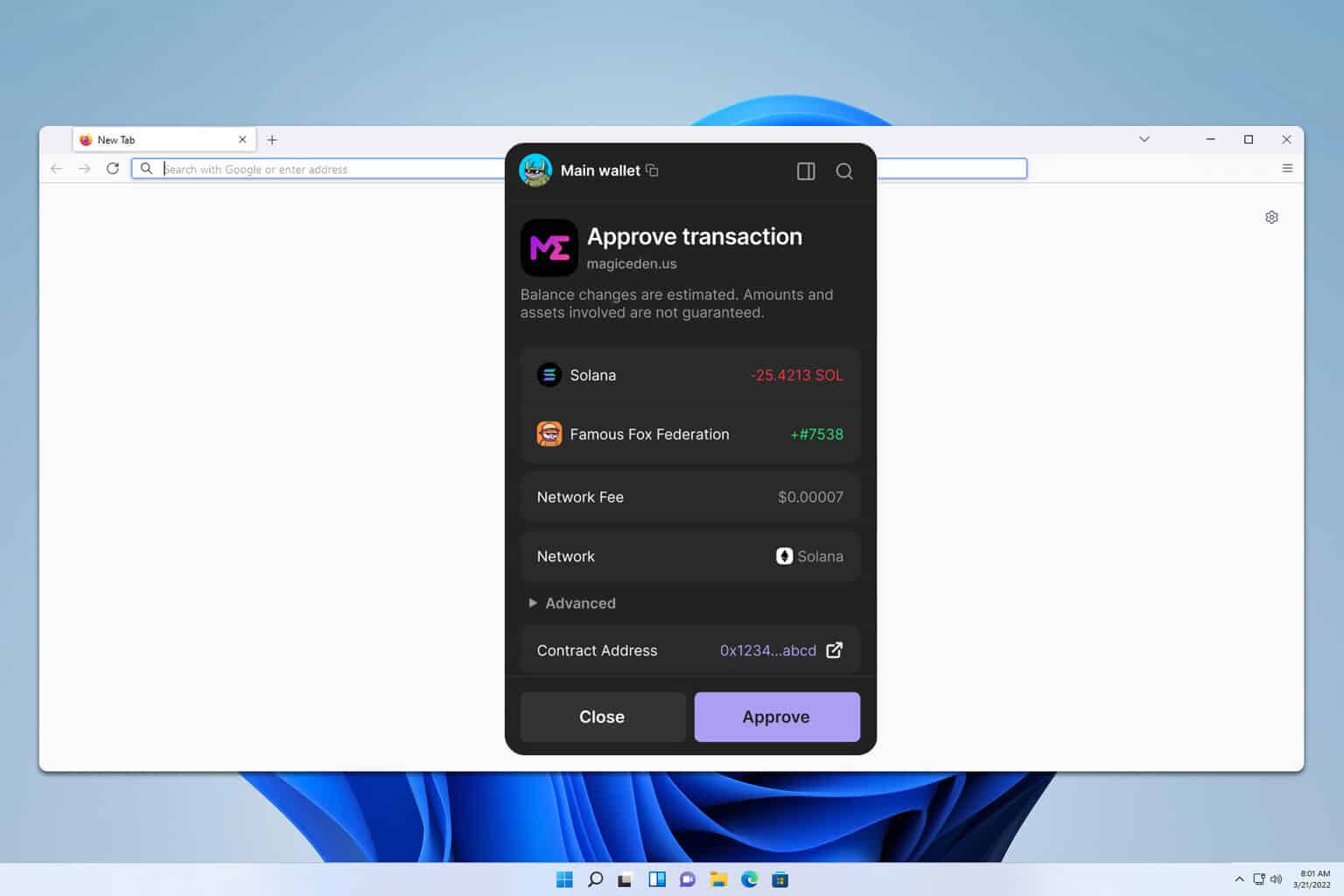
Phishing is subtle. Attackers clone websites and extension listings. Compare the domain names carefully. Hover links. Use bookmarks for DApps you trust. If a DApp asks for permission to “Spend” an unlimited allowance, pause and check—sometimes you want to set caps. And always confirm the transaction details in the Phantom popup before clicking “Approve”. Little habits compound.
Another tip: create multiple wallets/accounts. One for savings (small balance for daily use), one for active trading, and one for NFT collecting. It’s not perfect segmentation, but it reduces blast radius if something goes sideways. Also—backup notes can be messy. I keep two paper backups in separate locations. A friend once lost access after a flood. Oof.
Using Phantom with DApps and NFTs
Phantom integrates with most Solana DApps. When you connect, the DApp requests wallet access (public key) then asks for transaction approvals as needed. If you’re minting NFTs, watch gas/fee sliders and approve only what you expect. I’ll be honest—minting rushes can make you sloppy. Slow down, breathe, and read the actual approval text.
If you’re into NFTs, Phantom displays them in the UI, and you can list directly on marketplaces that support wallet-to-wallet flows. There are quirks—sometimes art thumbnails fail to load, or metadata updates lag. That can be annoying, but not catastrophic. (oh, and by the way… metadata updates can take a few minutes.)
FAQ
How do I know the Phantom extension is legitimate?
Check the publisher name and the extension page URL. Use the official link above, and verify reviews and install counts on the store. If you’re ever unsure, pause and ask in a trusted community. My instinct said to double-check once I saw a similarly named extension pop up—good thing I did.
Can I import multiple wallets into Phantom?
Yes. Phantom supports importing wallets via recovery phrase or private key. Create separate accounts for different purposes. Keep careful notes—mixing up which phrase belongs to which account is a mess later on.
What if I lose my recovery phrase?
If you lose it and you don’t have access to a logged-in device, your funds are unrecoverable. That’s brutal but true. Store copies offline. Consider metal backups for durability. I’m not 100% sure there’s a perfect solution, but redundancy is your friend.